
Exploring Cusco on foot is one of the most unforgettable experiences in Peru. From walking the ancient paths of the Inca Trail to reaching Machu Picchu, hiking through the Sacred Valley, or climbing the breathtaking Rainbow Mountain, every adventure rewards you with incredible views and cultural discoveries.
However, after several hours or even several days of trekking at high altitude, your body also needs time to recover. Tired legs, tight muscles, sore feet, and overall fatigue are common after experiencing the Andes.
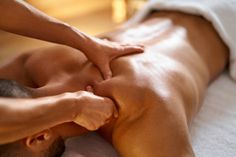
A professional massage after hiking in Cusco is one of the best ways to relax, recover, and continue enjoying your journey through Peru.
At Relaxing Time Massage Cusco, we specialize in treatments designed for travelers after Andean adventures, combining professional massage techniques with experiences inspired by local traditions.
The Benefits of a Massage After Hiking
After a strenuous hike, a massage can provide several benefits that enhance recovery, ease soreness, and allow you to enjoy the rest of your stay in Cusco comfortably.
1. Reduces Muscle Soreness
- Hiking strains muscles in the legs, hips, lower back, and sometimes even the shoulders and neck, especially if you’re carrying a backpack. Massage techniques like deep tissue and Swedish massage focus on releasing tension from these specific muscle groups, reducing post-hike soreness and fatigue.
- Massaging tired muscles helps remove metabolic waste like lactic acid, which builds up during exercise and contributes to muscle pain and stiffness.
2. Improves Circulation and Reduces Inflammation
- Hiking at high altitudes can reduce oxygen levels in the blood, which slows down recovery. Massage helps by improving blood circulation, promoting oxygen flow, and speeding up muscle recovery.
- Enhanced circulation also reduces inflammation and swelling that may have built up in the joints or feet after hours of intense activity.
3. Relieves Joint Stiffness
- Trekking through rugged terrain often places strain on joints, especially the knees and ankles. Massage helps alleviate joint stiffness by working on connective tissue, reducing joint discomfort, and restoring mobility.
4. Relaxes the Mind and Body
- Hiking requires physical exertion, but it’s also mentally challenging, especially on challenging trails. A post-hike massage encourages relaxation by releasing endorphins, reducing stress hormones, and providing an overall sense of calmness that soothes both the body and mind.
5. Prepare Your Body for the Rest of Your Travel Itinerary
- A good massage after hiking allows your body to bounce back faster, so you can continue exploring Cusco without feeling overly tired or sore. Easing muscle tightness, it sets you up for more comfortable movement during the remainder of your travels.
Is it Better to Get a Massage Before or After Hiking?
Both options have their benefits, but generally, a post-hike massage offers more recovery-focused advantages, while a pre-hike massage prepares your muscles without over-relaxing them. Let’s look at the specific benefits of each option to help you decide.
Massage Before Hiking: Preparation for the Trek
A massage before your hike can be a great way to warm up and prepare your body for the challenge ahead. Here are the main benefits:
- Improves Flexibility: A pre-hike massage, especially a sports massage, can improve flexibility by loosening up tight muscles. This can help prevent injury on steep, uneven terrain.
- Increases Circulation: Relaxing massage techniques stimulate blood flow, which brings more oxygen to your muscles. Increased oxygen can reduce muscle cramps and help with altitude adaptation, as your muscles will have more oxygen available.
- Prevents Stiffness: A gentle massage before hiking can reduce pre-existing tension, reducing the chance of stiffness during the hike itself.
However, it’s crucial to keep a pre-hike massage light and stimulating rather than deeply relaxing. If the massage is too deep, your muscles may become overly relaxed, which could reduce your strength and balance during the hike.
Massage After Hiking: Ideal for Recovery
A post-hike massage is generally recommended over a pre-hike one for these reasons:
- Focus on Recovery: The body undergoes microtears in muscles during hiking. A massage after your hike specifically focuses on recovery, helping your muscles repair and reducing soreness and fatigue.
- Deeper Massage Techniques: massage. After hiking, your muscles can benefit from a more profound massage, such as deep tissue, Inca Massage, or Swedish massage, which would be too intense before an activity. These techniques can reach the muscle layers, relieving deep-seated tension built up during the trek.
- Better Sleep and Relaxation: Hiking elevates adrenaline, and many people find it hard to wind down after an active day. A post-hike massage promotes better sleep by lowering stress hormones and promoting relaxation, which is particularly beneficial if you want to recover for the next day’s adventures.
- Enhanced Enjoyment of the Massage: After a hike, the physical and mental relaxation from a massage can feel even more satisfying. It’s a rewarding way to celebrate the completion of your trek and restore yourself.
- Massages recommended after the trek: deep tissue massage, Inca healing Massage, Hot stone massage
Why Travelers Need a Massage After the Inca Trail
The Inca Trail is not only a cultural experience but also a physical challenge. Travelers walk long distances, climb thousands of stone steps, and adapt to changing elevations.
The most common areas affected after trekking include:
- Calves and legs after continuous walking
- Thigh muscles from uphill and downhill sections
- Lower back from carrying backpacks
- Shoulders and neck from hiking equipment
- Feet after long days on uneven terrain
- Helps Relax Tired Muscles After Hiking
Helps Relax Tired Muscles After Hiking
After trekking in the Andes, muscles experience fatigue from continuous movement and elevation changes. Massage techniques such as deep tissue massage, Swedish massage, and Inca Healing Massage focus on areas that commonly become tense after hiking, helping travelers feel more comfortable during the rest of their trip.
Where to Get a Good Massage in Cusco After the Inca Trail?
After completing the Inca Trail, many travelers return to Cusco looking for a place where they can relax and recover. Choosing the right massage center is important because post-trek massage requires understanding the needs of active travelers.
At Relaxing Time Massage Cusco, we welcome travelers from around the world who have completed adventures such as:
- Inca Trail to Machu Picchu
- Salkantay Trek
- Rainbow Mountain hikes
- Sacred Valley excursions
Our therapists offer personalized treatments including:
- Inca Healing Massage
- Deep Tissue Massage
- Hot Stone Massage
- Relaxing Massage
Best Massage Types After Hiking in Cusco
Deep Tissue Massage
Ideal for:
- intense muscle tension
- experienced hikers
- long trekking routes
Inca Healing Massage
Ideal for:
- travelers looking for a unique Cusco experience
- natural ingredients
- Andean-inspired wellness
Hot Stone Massage
Ideal for:
- deep relaxation
- stress relief
- tired bodies after adventure activities
Massage After Hiking at High Altitude in Cusco
- Altitude makes trekking more demanding
- Hydration is important
- Listen to your body
- Choose professional therapists
Final Recommendation: Post-Hike Massage
Completing an Andean adventure is something you will remember forever, but your body also deserves attention after the journey.
Whether you have finished the Inca Trail, explored Machu Picchu, or spent the day discovering Cusco’s mountains, a professional massage can be the perfect way to relax and reconnect with yourself.
At Relaxing Time Massage Cusco, we combine professional techniques, local inspiration, and personalized treatments to help travelers enjoy the best possible experience during their time in Peru.
FAQ About Post-Hike Massage in Cusco
What type of massage is best after a hike?
Deep tissue, Swedish, or a combination massage is ideal, as it helps relieve tension, promote circulation, and accelerate muscle recovery.
How soon after a hike should I get a massage?
It’s best to wait at least an hour after your hike before a massage to allow your heart rate and breathing to normalize, or take the following day, which works even better.
Is it safe to get a massage at a high altitude in Cusco?
Yes, but it’s recommended to stay hydrated and choose a spa that specializes in high-altitude massages, as they may include specific techniques to help with altitude recovery.
Can a massage help with altitude sickness?
While a massage doesn’t directly cure altitude sickness, it can aid in relaxation, improve circulation, and alleviate some symptoms like headaches or muscle tension.
How long should my massage be after the hiking session?
A 60- to 90-minute massage is recommended to fully address the muscle tension that builds up during a strenuous hike.
What is the best massage after the Inca Trail?
The best massage after the Inca Trail depends on your body’s needs. Many hikers choose deep tissue massage, relaxing massage, or an Inca Healing Massage to release tension after several days of trekking.
Where can I get a massage after Machu Picchu?
Travelers returning to Cusco after Machu Picchu can enjoy a professional massage at Relaxing Time Massage Cusco, specializing in treatments for visitors recovering after hiking adventures.
How much does a massage cost in Cusco after hiking?
Relaxing massage 80 soles.
Deep tissue massage 90 soles.
Inca healing massage 100 soles.
Hot stone massage 140 soles for one hour and 15 minutes.