
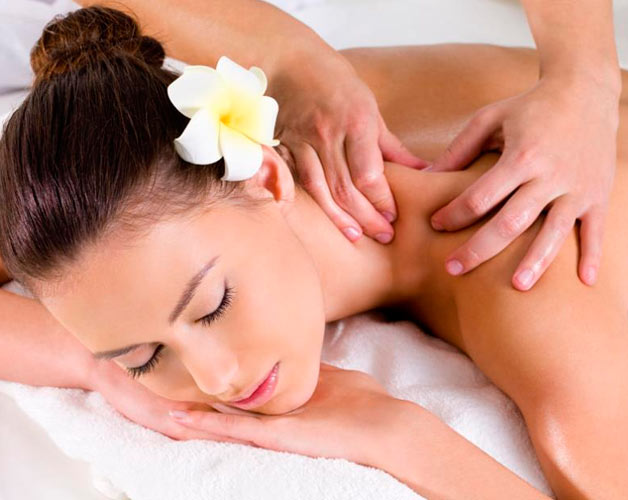
A comfortable massage starts with choosing the right treatment and telling your therapist what you need. Before your appointment, discuss your preferences and relevant health information. During the session, ask for adjustments whenever necessary. Afterwards, give yourself time to get up slowly and see how you feel.
Whether this is your first massage or you are planning a relaxing afternoon in Cusco, these tips will help you prepare with confidence.
Before Your Massage
1. Choose a Treatment That Matches Your Preferences
Start by thinking about what you want from the appointment: gentle relaxation, attention to a particular area, or a treatment with firmer pressure.
| Your preference | An option to discuss |
|---|---|
| Gentle pressure and general relaxation | Relaxing massage |
| More focused work on particular areas | Deep tissue massage |
| Attention mainly to tired legs | Leg massage |
| An experience using Andean-inspired products | Inca massage |
The treatment name is only a starting point. Tell your therapist how you feel and ask how the session can be adapted. Stronger pressure is not automatically a better choice.
Compare our relaxing massage and deep tissue massage if you are unsure which experience you would prefer.
2. Check the Therapist and the Appointment Details
Before booking, look for clear information about the therapist’s training, experience and approach. Read recent reviews and confirm:
- The treatment and session duration.
- The total price and what it includes.
- The location and appointment time.
- How preferences and health concerns are discussed.
- Privacy, hygiene and changing arrangements.
Ask questions before paying if anything is unclear.
3. Tell Your Therapist What They Need to Know
Explain which areas you would like addressed and which you want avoided. Mention recent strenuous activity, injuries, medical conditions, pregnancy, relevant medication, and allergies or skin sensitivities.
This conversation helps determine whether the treatment needs to be adapted or postponed. If you are unsure whether massage is appropriate for a health condition, ask your healthcare professional before booking.
Massage should not replace assessment or treatment for a medical problem.
4. Prepare for a Comfortable Visit
Choose a time when you will not need to rush straight into another activity. Avoid a large meal immediately before your appointment if it would make lying down uncomfortable, and drink water normally.
Wear comfortable clothes that are easy to change out of. Ask about the changing arrangements and keep whatever clothing you need to feel comfortable.
For more preparation advice, read what to wear for a massage in Cusco and what to eat before a massage.
Tell the therapist about product sensitivities before oils or creams are applied. “Natural” does not necessarily mean suitable for every skin type; ask about ingredients and available alternatives.
During Your Massage
5. Speak Up About Pressure and Comfort
You do not need to stay silent to receive a good massage. Ask for lighter pressure, a different position, an extra covering, or a pause whenever you need one.
Useful phrases include:
- “Could you use lighter pressure?”
- “Please avoid this area.”
- “That feels uncomfortable.”
- “Could we pause for a moment?”
You can also ask to end the session. Your comfort and consent matter throughout the appointment.
If you prefer quiet, let your therapist know. If a little conversation helps you feel at ease, that is fine too.
6. Choose Comfortable Pressure Rather Than Enduring Pain
Do not assume that a treatment needs to hurt to be worthwhile. Describe what you are feeling instead of trying to tolerate uncomfortable pressure.
A deep tissue massage should begin with a discussion of your preferences and suitability. If you would rather have a gentler experience, ask about our relaxing massage.
After Your Massage
7. Take Your Time and Follow Individual Advice
Sit up and stand slowly, and allow a few minutes before leaving. Drink water as you normally would; there is no need to force large amounts.
Tell your therapist how you feel and ask whether there are any specific aftercare recommendations for your session. If you feel tender or tired, consider a quieter activity afterwards.
Contact a healthcare professional if you develop significant or persistent pain or other concerning symptoms rather than assuming they are an expected effect of massage.
Planning a Massage After Trekking in Cusco
Tell your therapist which trek you completed, when you returned, and whether you have any particularly sensitive areas.
Avoid choosing the strongest treatment simply because you have finished a demanding hike. Your comfort, symptoms and preferences should guide the discussion.
Our massage after hiking guide explains the options available to travelers returning to Cusco.
Plan Your Massage at Relaxing Time Massage
Not sure which treatment to choose? Tell us your preferred date, available time, areas you would like addressed and the pressure you usually enjoy.
Our team can explain the options, confirm the session duration and price, and help you arrange your appointment in Cusco.
View Massage Prices and Session Times
FAQ: Massage Tips
What should I do before a massage?
Confirm your treatment, duration and price. Wear comfortable clothing, arrive without rushing, and discuss your preferences and relevant health information before the session starts.
How do I get the best results from a massage?
Choose a professional therapist, relax during the session, and follow post-massage care.
Should I talk during a massage?
Yes, whenever you want or need to. Tell your therapist about discomfort, pressure preferences or anything you would like changed. Quiet is a preference, not a requirement.
Is drinking water important after a massage?
Yes, it helps remove toxins and supports muscle recovery.
Is deep tissue massage always better than relaxing massage?
No. They offer different experiences. Your preferences, health considerations and the therapist’s assessment should guide the choice.